Blog
Service lifecycle in Go: register services with start and stop verbs, handle SIGINT and SIGTERM, and shut down gracefully with liveness checks.
Add self-update to a Go CLI: resolve releases per platform, compare versions, verify checksums and migrate config on upgrade.
Build an AI dungeon master in Go: keep the model to prose only by putting the rules in the system prompt and the mechanics in typed tool calls.
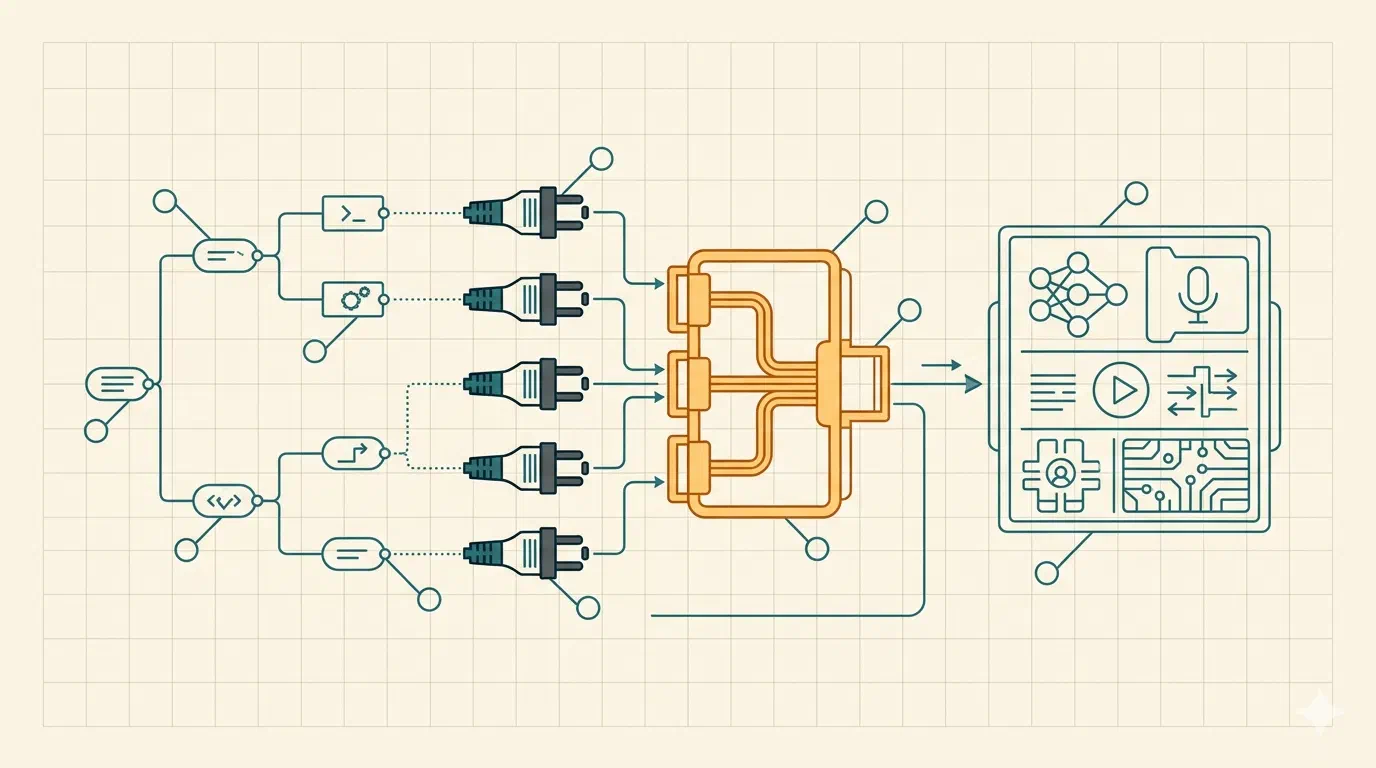
Expose an existing Go CLI to AI agents over MCP without writing any AI code, using built-in commands. The agent reach equals the CLI reach.
My CV stopped landing because a machine reads it before a person does. Reworking the structure for the filter without losing the voice.
Configuration for a Go CLI: precedence of flags over env over files, per-command embedded defaults, layered config merging and a strict mode.
Moving this blog from Jekyll and GitHub Pages to Hugo and GitLab Pages, and the two things I would do differently next time.
Install gtb, scaffold a releasable Go project, understand the generated and owned file split, then add your first command and run it.
Two CI and infrastructure bugs with one shape: a GitLab job with no rules block skips merge requests, and an import block runs only once.
Closing the plan-versus-apply gap in infrastructure CI by applying the saved plan artifact rather than quietly re-planning at apply time.
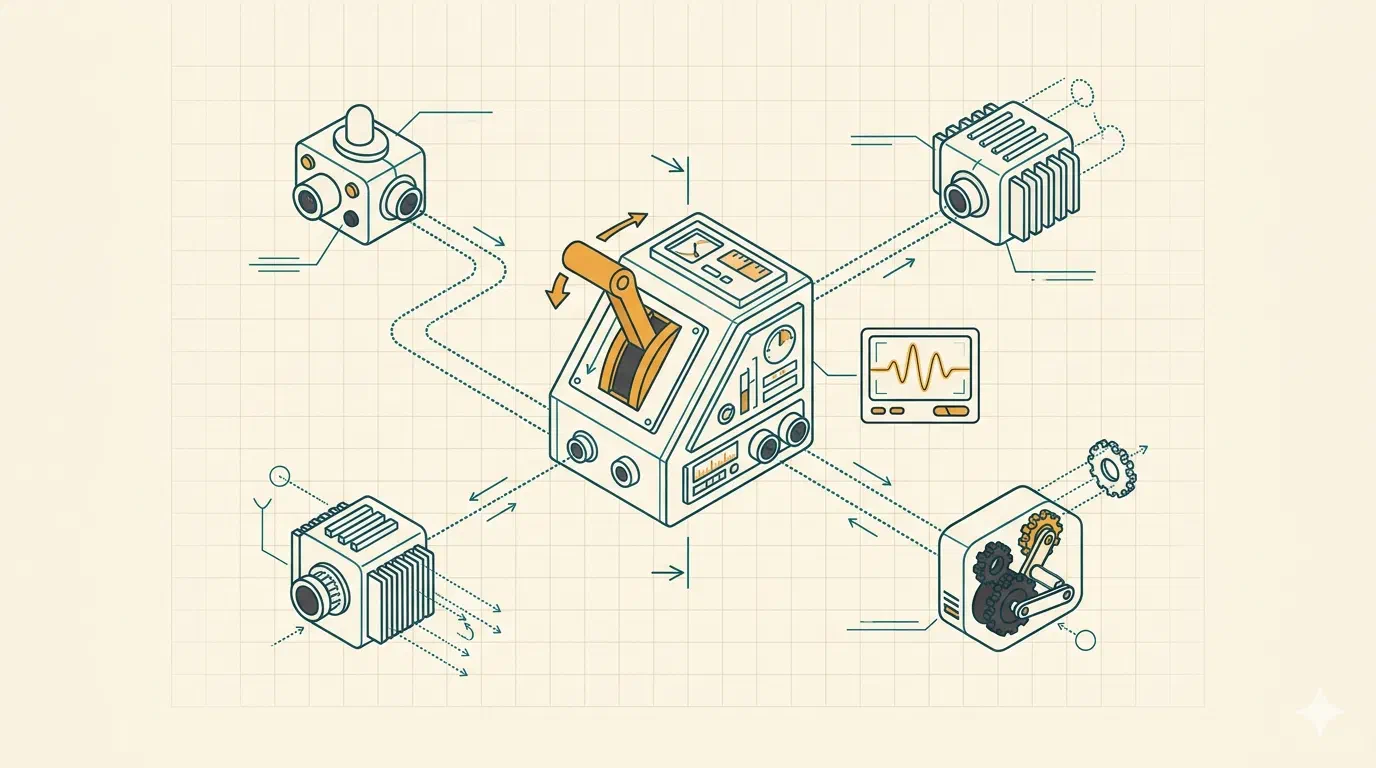
 go-tool-base
 Orienteering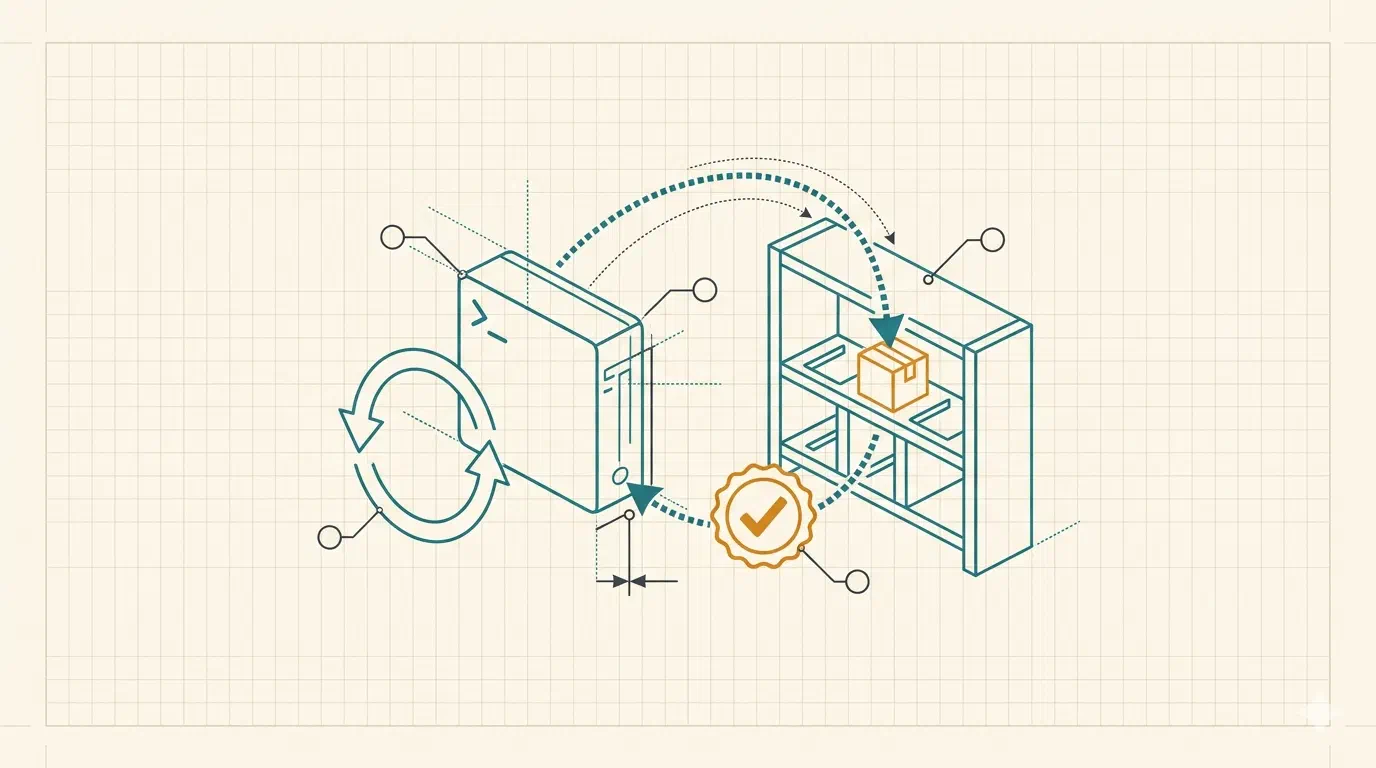


 Campfire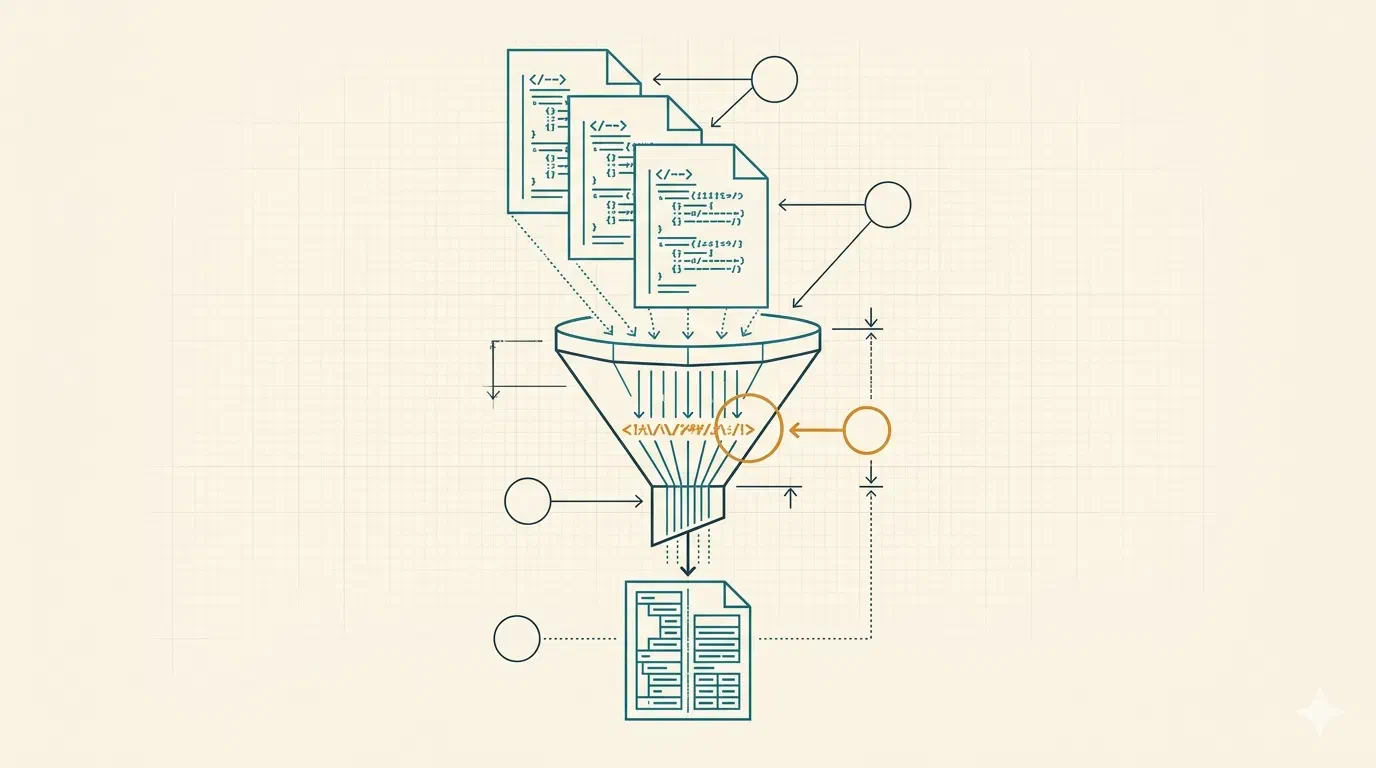


 cicd
infrastructure
cicd
infrastructure
 Pioneering