A CLI does its job and gets out of the way. You run it, it prints something or writes a file, the process exits, done. Then one day you want the opposite: a thing that stays running. A server answering requests, a worker chewing through a …
You ship version one. A week later someone finds a bug, you fix it, you cut version two. Now for the awkward part: how does the person who installed version one ever get version two? Email them? Hope they wander back to the install page? …
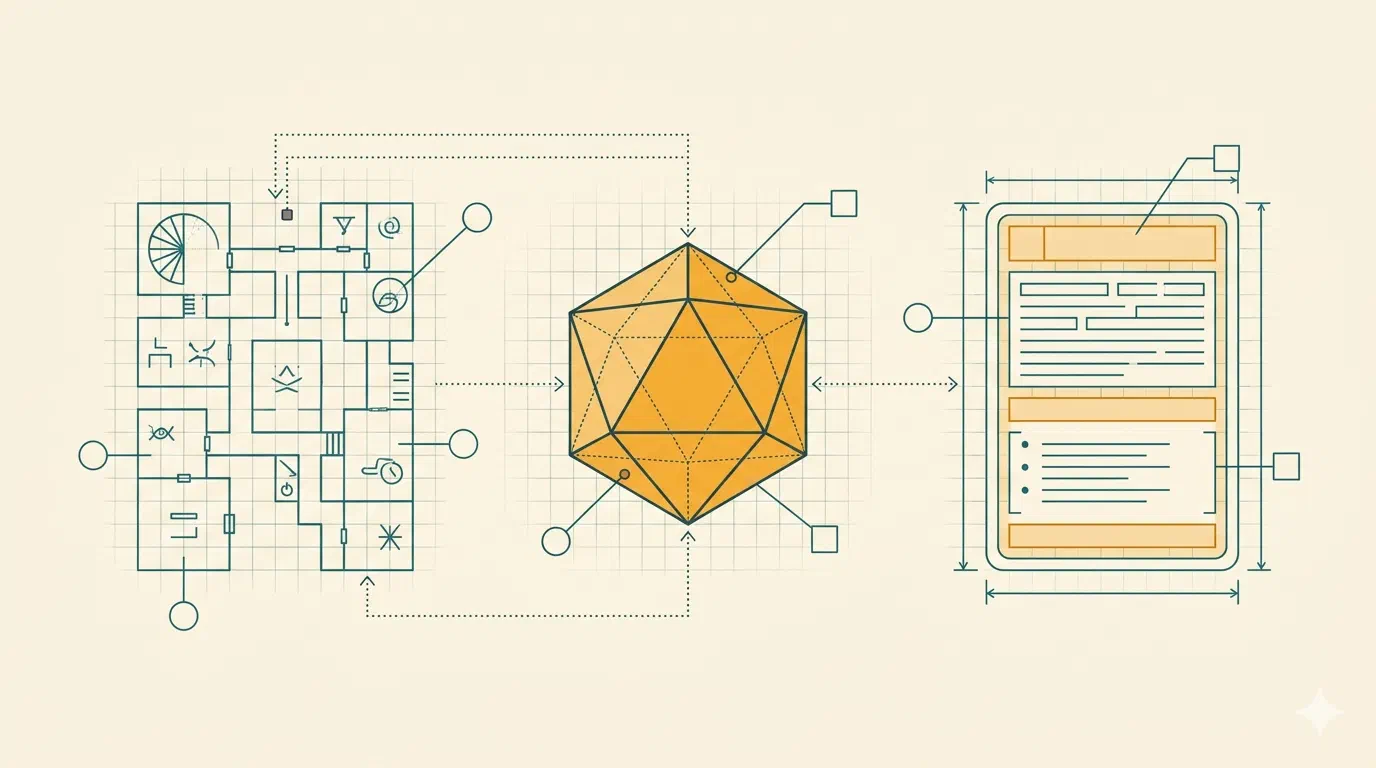
I run a Dungeons & Dragons game on the odd weekend, so when I sat down to put an AI feature inside a CLI, my first instinct wasn’t a chatbot. It was: could the tool run a little adventure, with an AI as the dungeon master? It turns out …
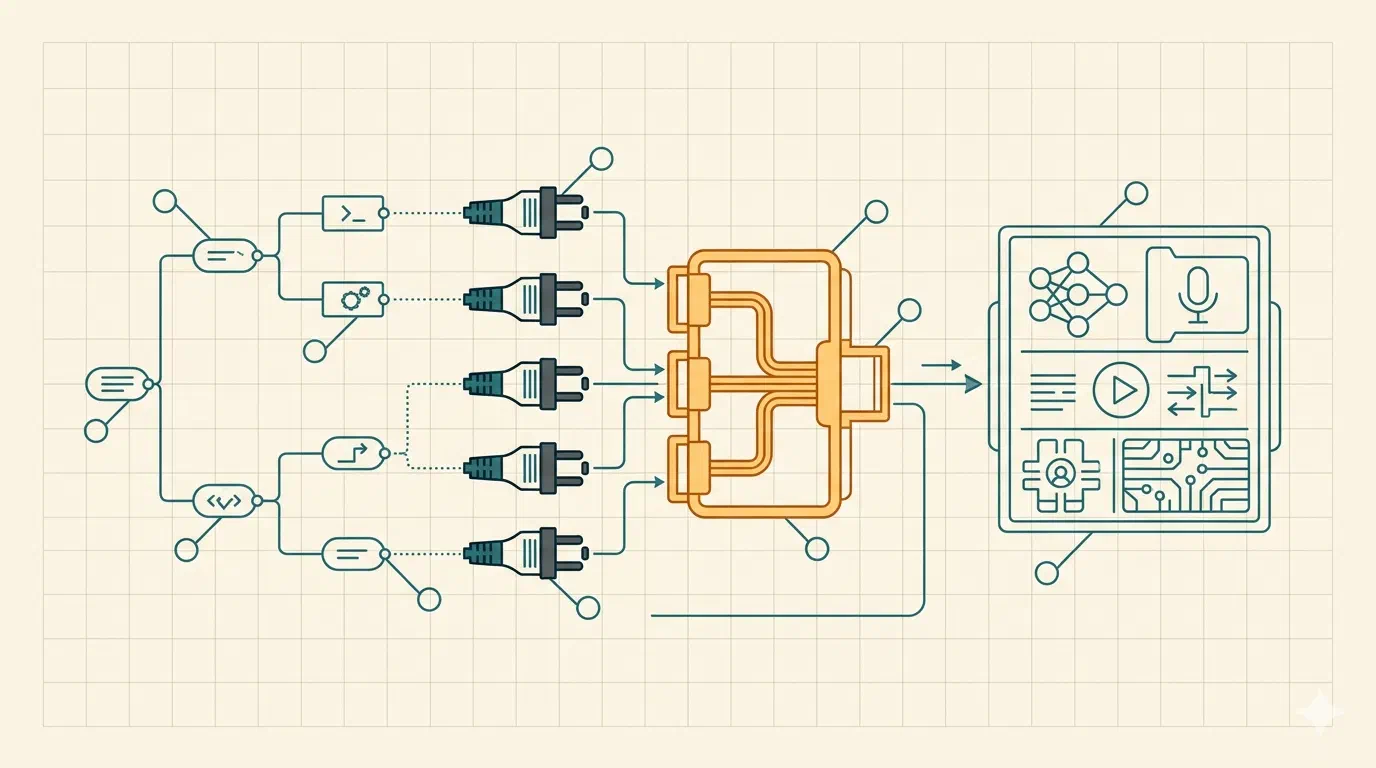
“Make it work with AI” is the request that lands on your desk with a thud and no further detail. The first time it landed on mine I braced for a treadmill of integration work: an adapter for this assistant, a wrapper for that one, one per …
Seven years ago I wrote a post called Technical CV writing is hard, pulled my own CV apart, and explained every choice in it. I even bragged that it converted to a first interview about eighty per cent of the time, then added “watch me now …
In part 1 you scaffolded a tool and gave it a hello command. It says the same thing every time, which is fine for a first command and useless for a real one. The moment a tool does anything worth doing it needs settings: an endpoint, a …
The blog you’re reading used to be a Jekyll site on GitHub Pages, built on the lovely beautiful-jekyll theme. It isn’t any more: it’s Hugo now, published to GitLab Pages. The hosting move rode along with go-tool-base leaving GitHub for …
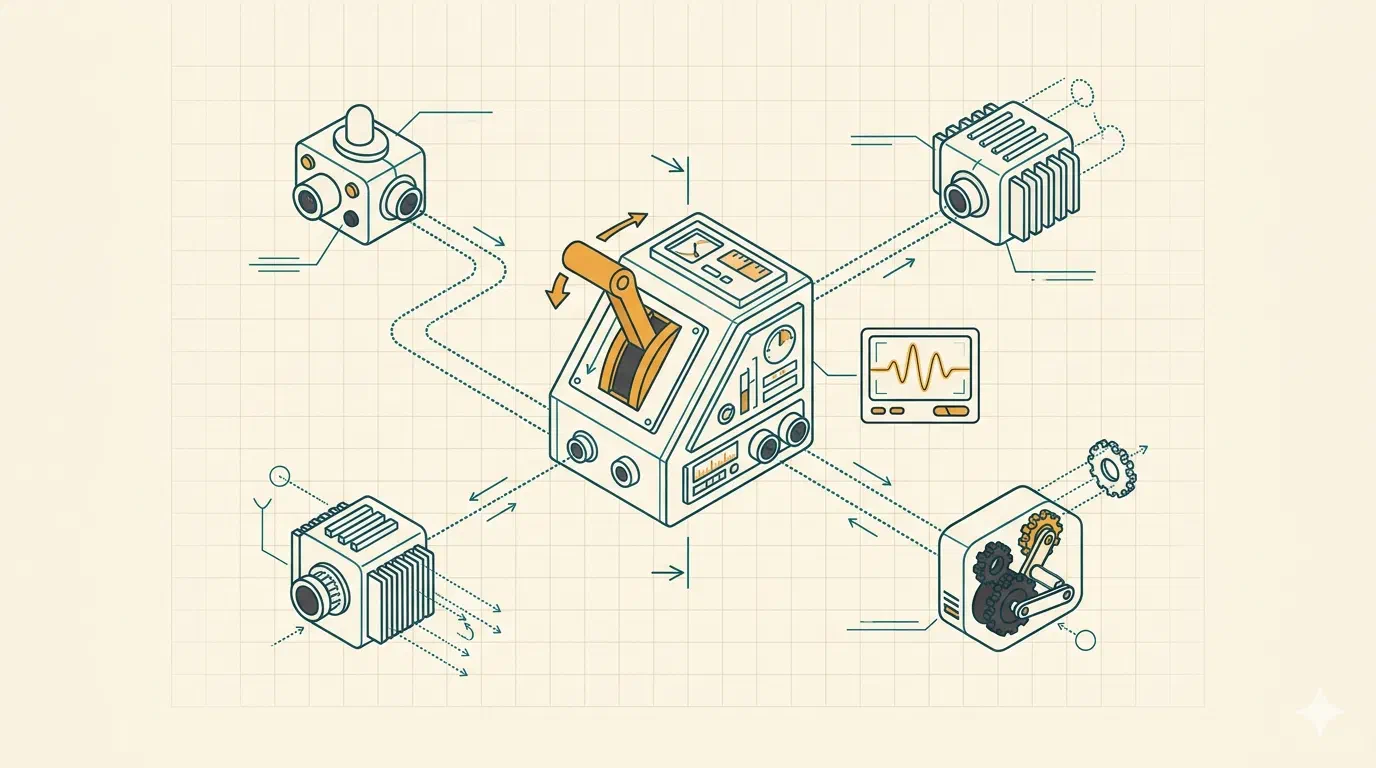
Every time I start a new Go CLI, the first hour goes the same way, and none of it is the actual tool. Config loading. A logger. An update command. An error path that prints something a human can act on. A help system. I built go-tool-base …
Some bugs are interesting because they’re subtle. These two were interesting because they were the exact opposite… in each case the tool had a hard rule I simply didn’t know about, and its error message couldn’t be bothered to tell me what …
The genuinely dangerous moment in infrastructure-as-code isn’t the apply. It’s the gap between the plan a human read and approved, and the change that actually runs a moment later. If those two are different computations (and by default …
 go-tool-base
 Orienteering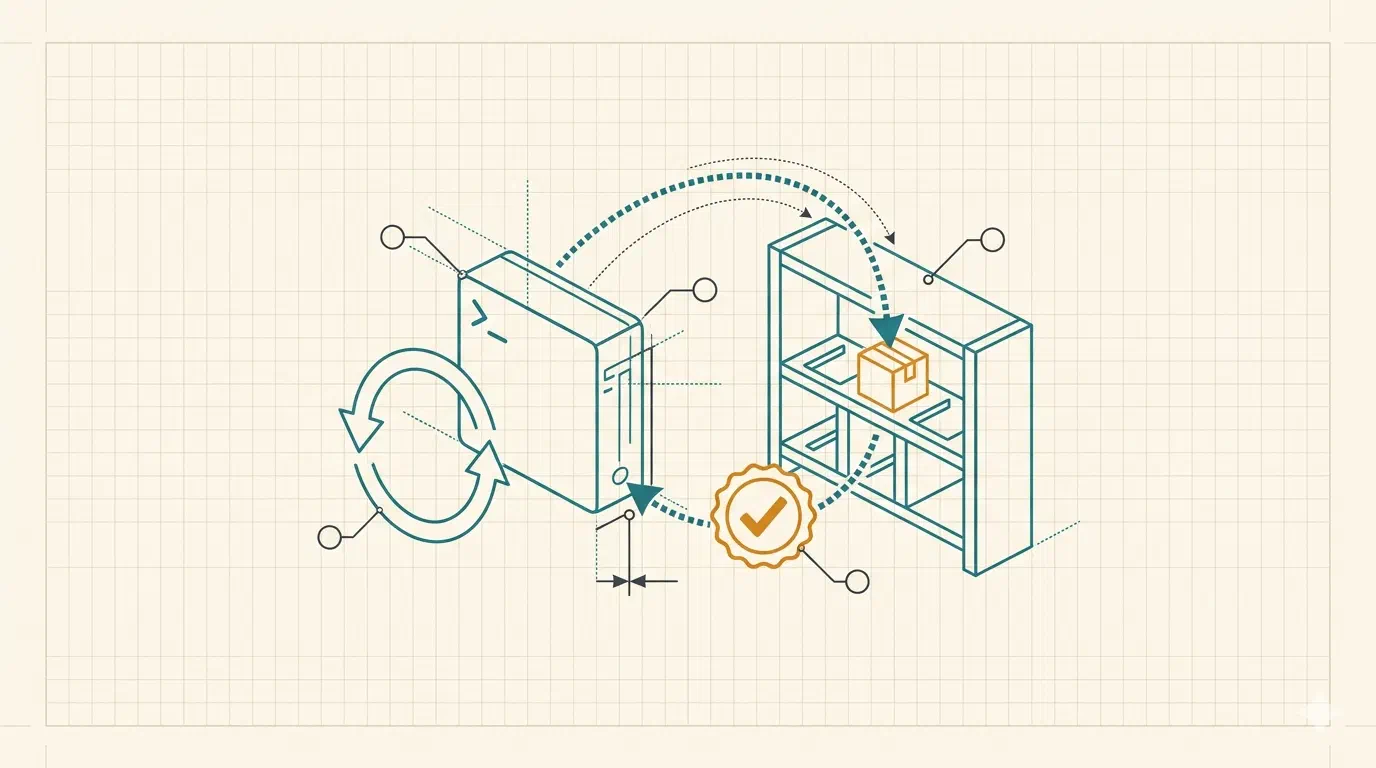

 Campfire

 cicd
infrastructure
cicd
infrastructure
 Pioneering