I write a CLAUDE.md for every project I work on, and a small pile of other markdown files besides. They’re how I keep an AI agent on the rails: what the project is, what the conventions are, what it must never do. I lean on them heavily, I …
I named myself, professionally, after a rule about litter.
The Boy Scout Rule is the one every camp drills into you: leave the campsite cleaner than you found it. Robert Baden-Powell’s version, in the last message he left for Scouts to be …
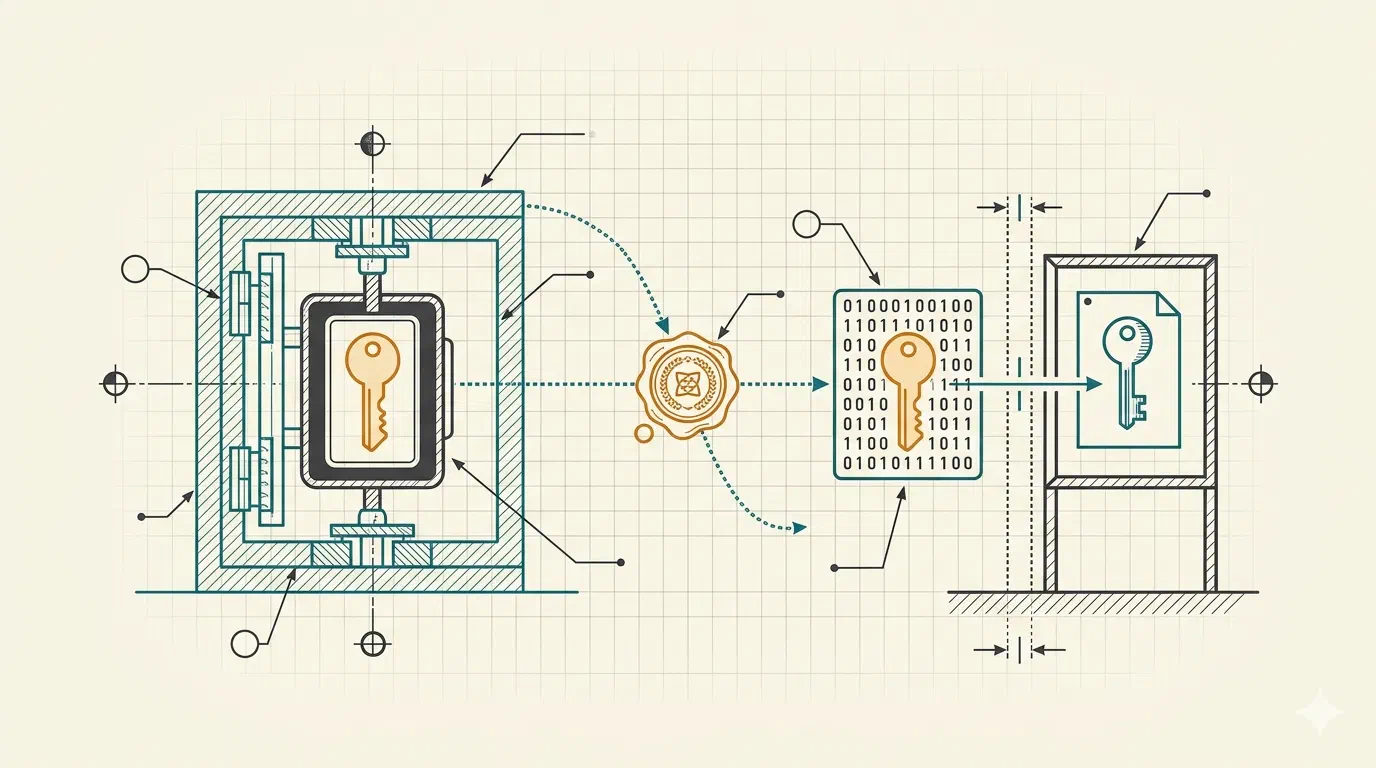
Part 1 left you with a working signing loop and one glaring weakness: the private key was a .pem on your laptop, and files get copied. This part fixes that. You’ll generate the production signing key inside AWS KMS, where it’s created and …
I was in a job interview yesterday, on the wrong side of the desk for once. After years of being the one asking the questions I’m having a look at what’s next, and somewhere in a long, wandering technical conversation the inevitable …
I was building a tutorial, the kind where the whole point is that the reader runs every command and it just works. So I generated a fresh project with go-tool-base, added a command, then added a command underneath that command, and hit …
The quickest way to understand release signing is to do it once, by hand, with nothing but a key on disk. No cloud account, no CI, no cost. This first part of the signing series walks the whole loop on your laptop: make a key, sign a file, …
This spring, the better part of a million lines of Zig quietly became a million lines of Rust. Bun, the JavaScript runtime that was the showcase for “you don’t need a borrow checker, you need good tools and a steady hand”, looked at its own …
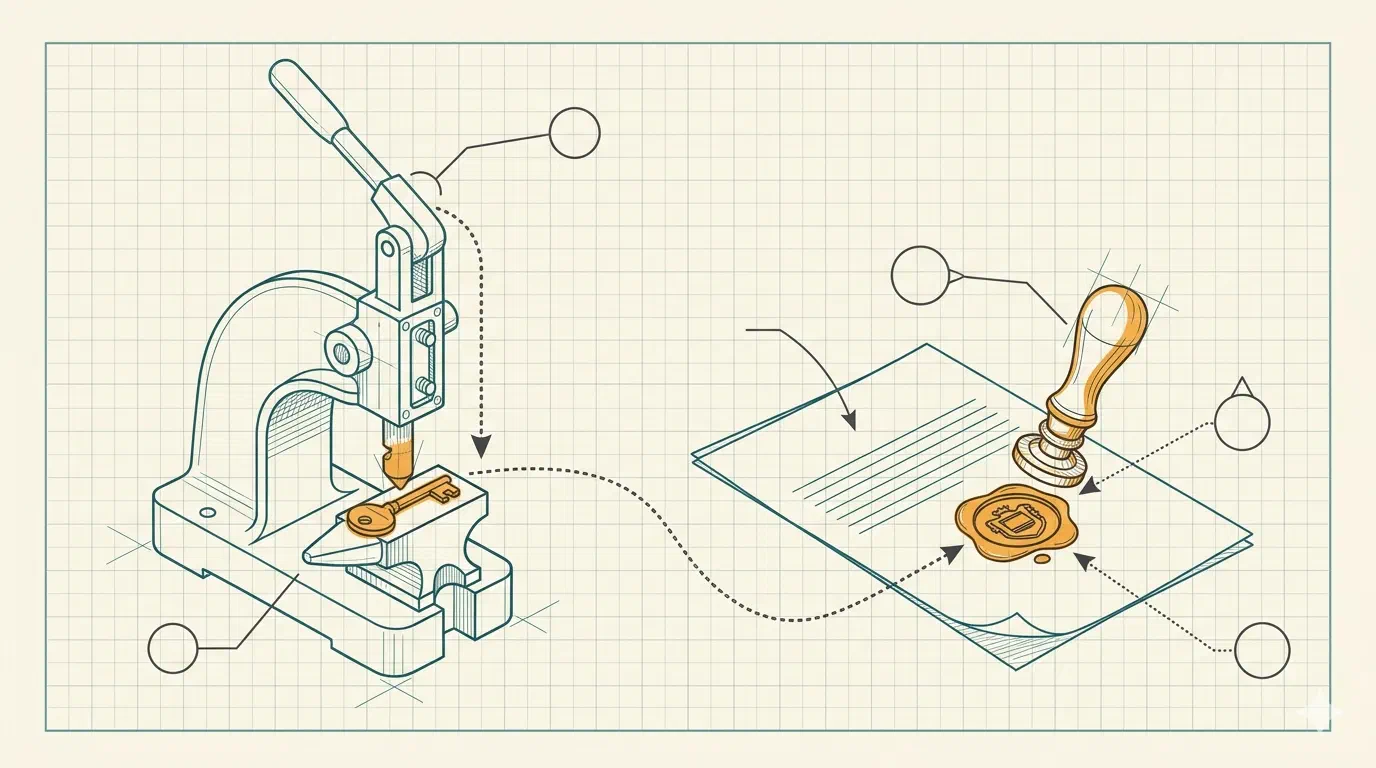
If your CLI tool can update itself, it has a decision to make that nobody is watching: when it pulls down a new version, should it trust what just landed? A checksum tells it the bytes match a manifest. It does not tell it who wrote the …
I woke up this morning to a one-line message from my own tooling:
Claude Fable 5 is currently unavailable. Learn more: https://www.anthropic.com/news/fable-mythos-access
I followed the link expecting a status page about a wobble in …
Turn one, the player swings, the die comes up 20, and my AI dungeon master narrates the goblin falling silent, leaving the player alone in the corridor. Good. Turn two, another roll, a 6 this time, and the same dungeon master cheerily has …

 Soapbox
 Campfire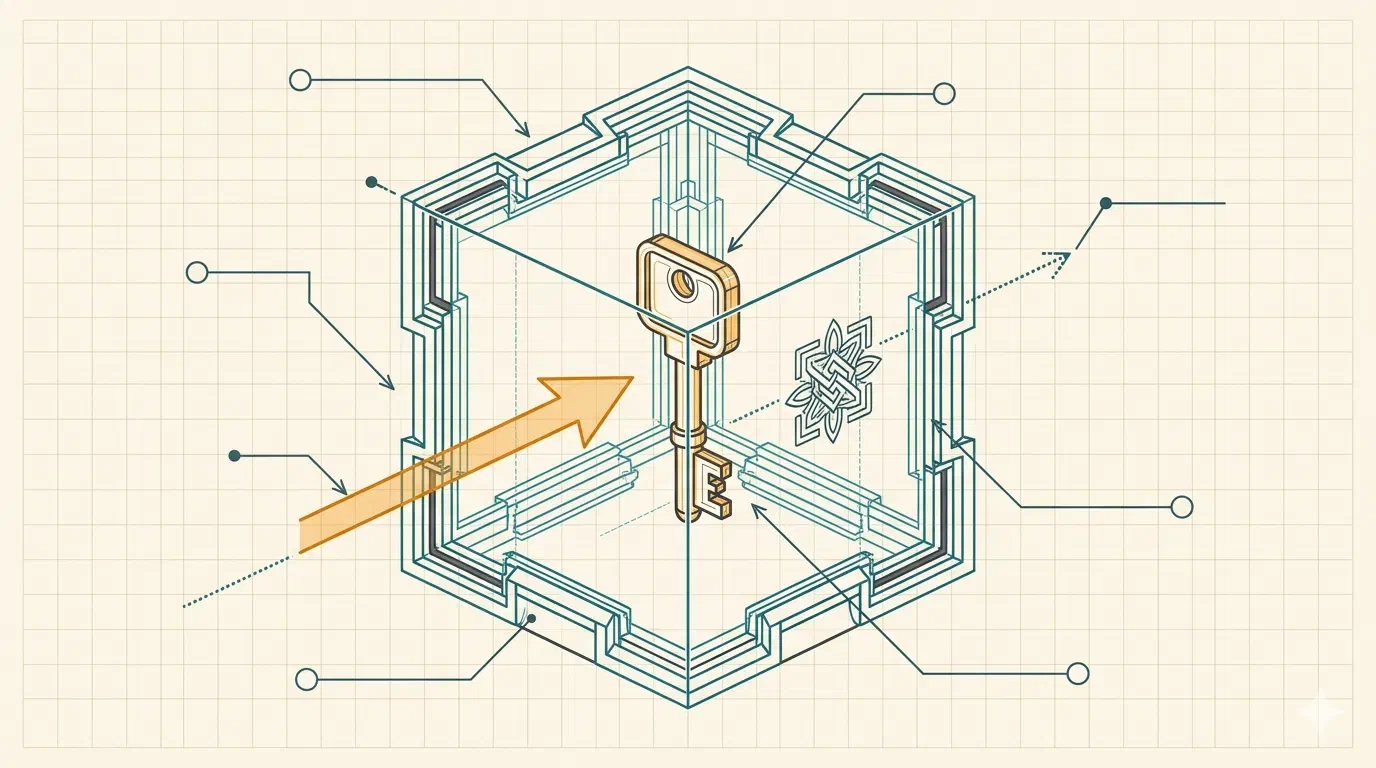
 go-tool-base
 signing
 Orienteering
 Pioneering